Ownership Is Not Assigned, It’s Built
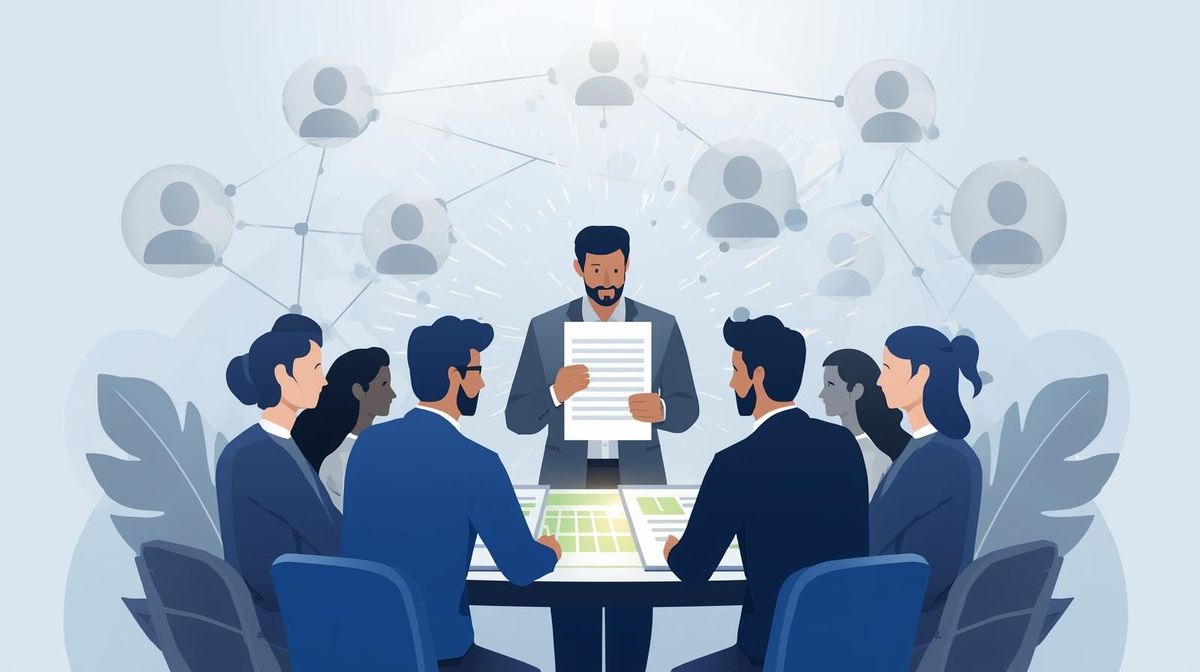
How Leaders Can Design for Ownership in Distributed Teams
After 18 years of building and scaling distributed teams, I’ve seen this pattern again and again: assigning responsibility doesn’t create ownership. Designing for it does.
Many leaders assume that when someone is given a task or a role, ownership follows. But in practice, what you often get is compliance, not commitment.
The difference isn’t in the people, it’s in the system you build around them.
Covert Strategies for Ownership
Real ownership doesn’t happen because of titles or reporting lines. It grows from a deeper connection to purpose, context, and trust.
To create that, I use covert strategies, subtle but intentional methods rooted in NLP, systems thinking, and behavioral psychology. These techniques aren’t about control. They’re about influence and space, creating the conditions for people to choose ownership for themselves.
Here are three areas where this shows up (not limited to):
1. The PRD as a Tool for Ownership, Not Just Requirements
Most people write PRDs (Product Requirement Documents) to specify what needs to be done.
I design PRDs to shape how people think.
- The structure is outcome-oriented, not task-driven.
- The language avoids passive wording, it actively invites engagement, problem-solving, and curiosity.
- The tone is calibrated to connect the team to the user, not just the feature.
Done well, a PRD becomes more than a spec. It becomes a silent facilitator, encouraging the team to internalize the purpose behind the product and take initiative without waiting for permission.
Extra value for leaders: Use embedded suggestions and future pacing within your PRDs. For example, “When this is live, users will…” or “As we improve this, you’ll notice…” This subtle NLP anchoring creates a sense of ownership before development even begins.
NLP Insight: This taps into the Milton Model’s use of presuppositions and future pacing, powerful tools to build belief and internal motivation before action is even taken.
2. Meetings That Build State, Not Just Share Status
Every meeting is a moment of influence.
So instead of using meetings just for updates, you can use them to:
- Transfer energy and build connection, not just information
- Reflect back patterns you want the team to amplify
- Use NLP techniques like pacing, sequencing, and specific language patterns to shift team members into resourceful states
It’s subtle, but over time it shapes how people show up, not just in the meeting, but in how they act afterward.
Tip: Try opening meetings with intentional language that sets a shared state, like: “Let’s use this time to align on what matters most and create clarity for each other.”
NLP Insight: This uses anchoring, by setting a specific intention at the beginning of the meeting, you’re priming participants’ nervous systems to enter a resourceful state and associate meetings with purpose, clarity, and collaboration.
Meetings can be emotionally generative when they are designed to reinforce autonomy, inclusion, and purpose.
3. Distributed Communication as a System for Trust
With remote or hybrid teams, the way we communicate becomes the system. Every Slack message, doc comment, and async update either reinforces or erodes trust.
Ownership grows when:
- People feel safe to challenge ideas, not just follow instructions
- Updates reflect shared responsibility, not top-down reporting
- Small acknowledgements signal that contributions are seen and valued
- Teams are given space to own it all the way. Ownership dies when control replaces trust
These aren’t “soft” practices. They’re structural. And they directly affect velocity, quality, and engagement.
Bonus insight: Even the choice of platform and how it’s introduced (e.g., async-first vs. sync-default) shapes behavioral norms. Design the tech stack to reflect the culture you want to see.
NLP Insight: Language patterns in written communication matter. Using modal operators of possibility (like “can,” “could,” “might”) instead of necessity (like “must,” “should,” “have to”) fosters psychological flexibility. It subtly reinforces the belief that people choose to contribute, and that’s a cornerstone of ownership.
What I’ve Learned
You can’t delegate ownership like a task.
You can’t force it with KPIs.
And you definitely can’t expect it just because you hired “the right people.”
But you can design for it.
You can embed it into the way you write, meet, plan, and lead. You can create conditions where people step forward because they want to, not because they’re told to.
That’s where the shift happens:
From task execution to product ownership
From passive updates to proactive momentum
From doing work to driving outcomes
And when this happens across a team, consistently and by design, you’re no longer just managing. You’re enabling.
Final Thought
If you’re building distributed teams or scaling product delivery, the question isn’t just “How do I delegate better?”
The real question is:
What systems am I creating that either invite or suppress ownership?
Ownership isn’t something you assign.
It’s something you cultivate quietly, consistently, and with intent.
Design for ownership, and performance follows.
NLP Reflection: Leadership isn’t just about systems. It’s about how those systems are felt. When language and structure align with internal states of autonomy and trust, people don’t just follow, they lead themselves.